

Inside Hamburg’s Evolving Port Ecosystem: the 1st Transnational Study Visit
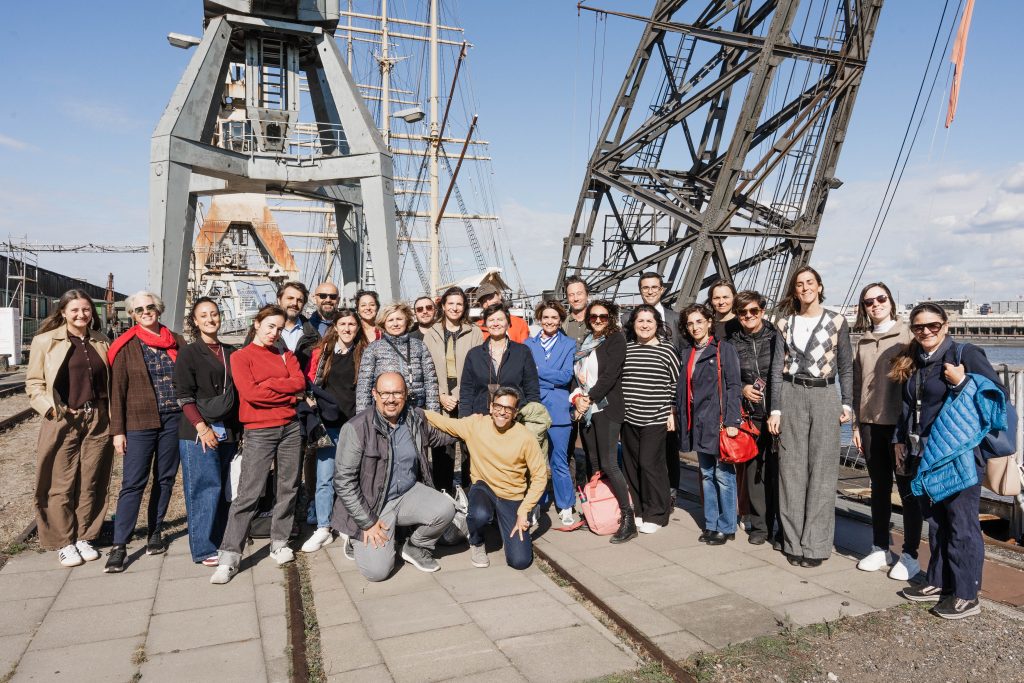
The 1st PortAbility Study Visit in Hamburg brought together partners from Spain and Italy to explore how the city has transformed its port areas, its economy, and its vocational education system over the past two decades. The visit focused on Hamburg’s long-term development strategies, the evolving structure of port-related work, and the changing demands placed on VET providers.
Over two intensive, very productive days, it offered an opportunity to exchange knowledge, reflect on shared challenges, and engage in dialogue with local stakeholders.
Day 1
The first day began at the Berufliche Hochschule Hamburg (BHH) with an introduction to Hamburg’s port transformation. The session presented the Hamburg Port Development Plan 2040, a comprehensive strategy addressing land use, economic diversification, new business models, workforce development, and ecological goals. A Map & Glossary helped guide participants through key terms and the historical phases of port and city development, including the arrival of railway cargo, the emergence of HafenCity in the late 1990s and early 2000s, and major infrastructural and political factors such as the dredging of the Elbe and the impact of new maritime routes. This session provided the framework for dialogue among stakeholders from different port regions on economic change, skills planning, and the interplay between port development and urban transformation.
German vocational education and training
The second session offered an in-depth look at the German vocational education and training system, with particular reference to the challenges of vocational training in port logistics and the integration of vocational and academic pathways. The Hamburg Vocational University (BHH) represents an innovative model combining company-based training with academic study, allowing students to obtain both vocational qualifications and bachelor’s degrees. The session highlighted the central role of the Chambers of Commerce, the structure of occupational standards, and the long training path required for VET teachers. The German dual system, in which students are employed in companies during training, was explained, along with the framework of regulations that guide work-based learning. The model aims to ensure permeability within the system, and while enrolments have fluctuated due to economic and technological trends, the system’s flexibility remains a core strength.
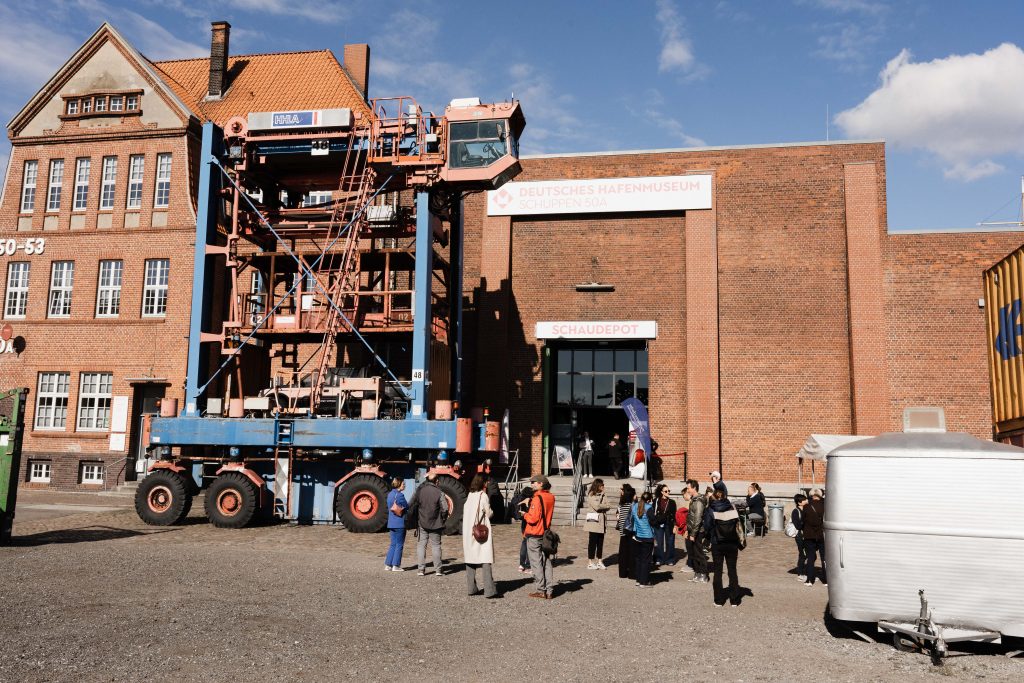
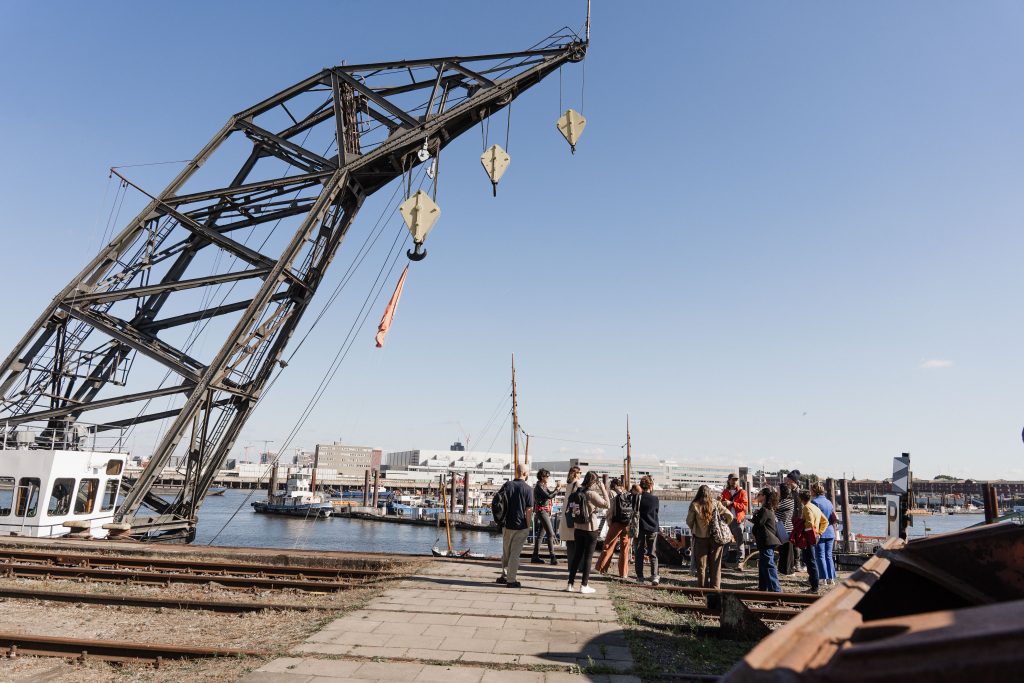
After lunch at the German Port Museum and a walk to explore the old port structure, history and evolution, the group visited the HHLA Container Terminal Altenwerder, one of the most advanced automated container terminals in Europe. The bus tour through the terminal demonstrated how automated logistics operate in practice and provided insight into the roles, ongoing changes, and skill needs emerging from highly digitalised port environments.
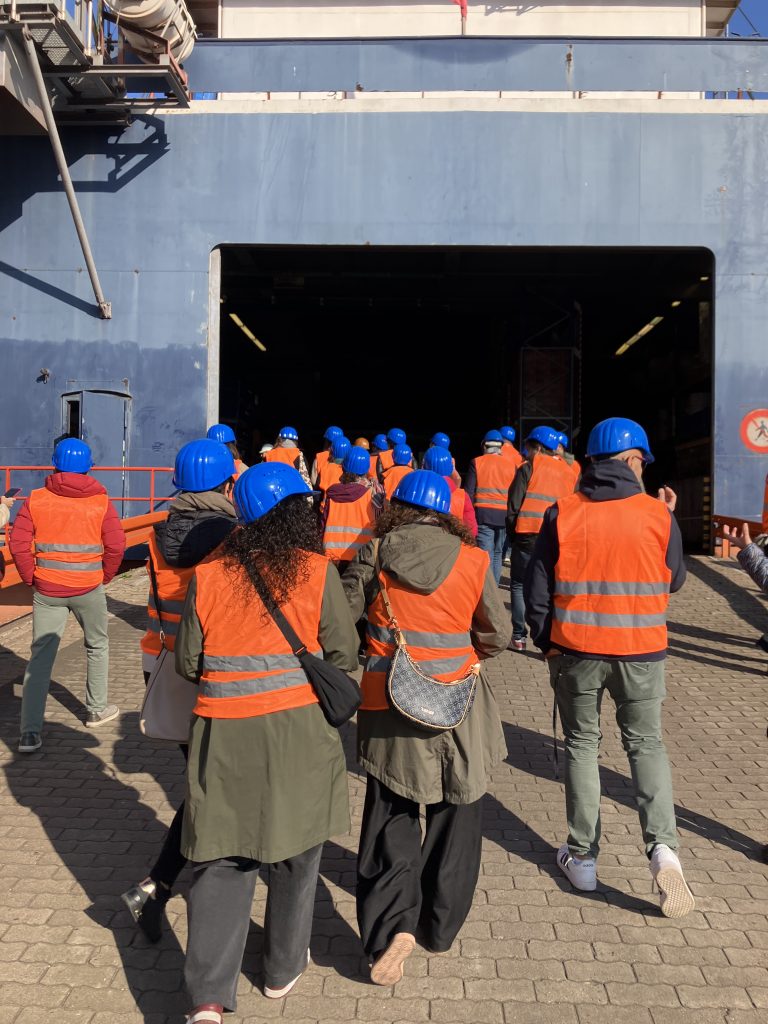
Later in the afternoon, partners were welcomed at Ma-Co Maritime Competence Centre. The visit introduced Ma-Co’s mission as Germany’s central training organisation for seaport operations and maritime logistics. Established as a modernised extension of earlier harbour schools, Ma-Co now provides training for both employees and jobseekers, operating across Germany and occasionally abroad. The Digital Training Centre represents a pilot initiative that offers practical, demand-driven training designed in close cooperation with companies. Training focuses on real operational needs, with trainers drawn from practice and programmes delivered only when companies require staff. This system ensures participants are trained for available jobs and provides companies with workers prepared for specific tasks. The presentation also included an overview of GHB, a joint organisation of port companies and trade unions that provides port workers to companies during peak periods, ensuring stable contracts for employees and flexibility for employers.

How new technologies reshape jobs, skills and competences
The next session introduced PortSkill 4.0, a project examining how technological developments, such as automation, VR/AR, drones, underwater maintenance systems, and automated vehicles, are reshaping job profiles and required competences. The analysis has identified key future skills, including resilience, concentration, and readiness to change. Ma-Co is developing new training formats using digital tools to address these emerging needs and support smooth job transitions within the port.
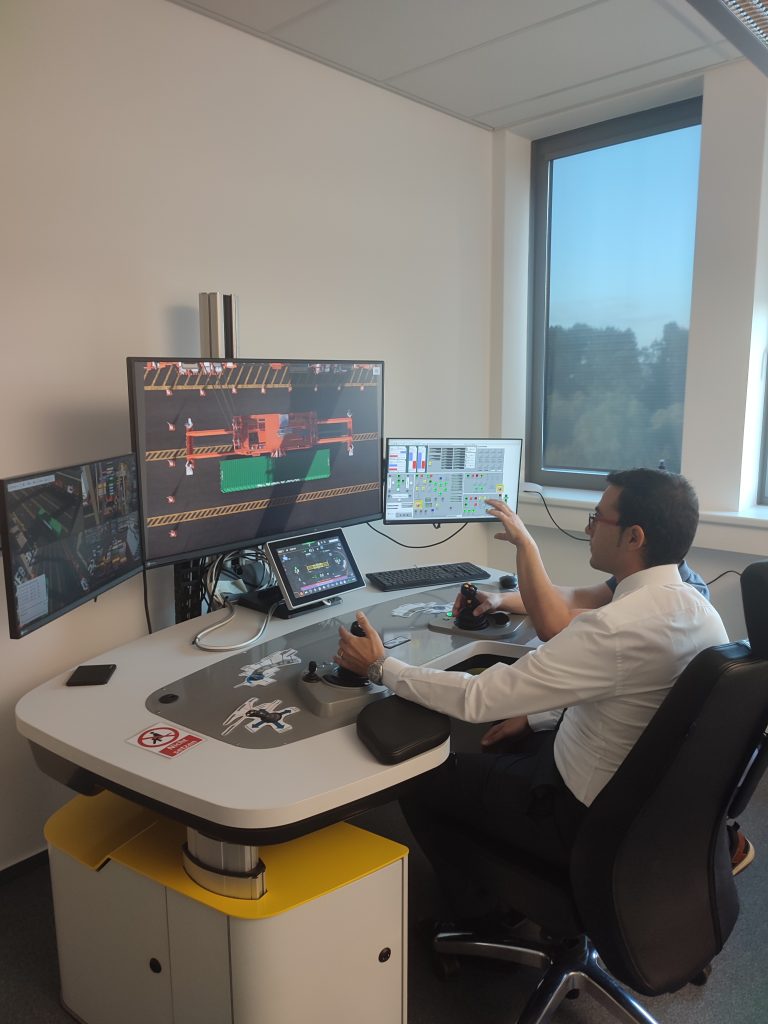
This was followed by a demonstration of Training 4.0 approaches at the Digital Training Centre. Participants explored low-threshold access to new technologies, VR-based simulations, and gamification methods that help learners build confidence. The session emphasised the cultural shift required in training institutions, where trainers are increasingly becoming moderators guiding learners through dynamic, technology-enhanced environments. The demonstration also included a simulator used for training future operators of automated cranes.
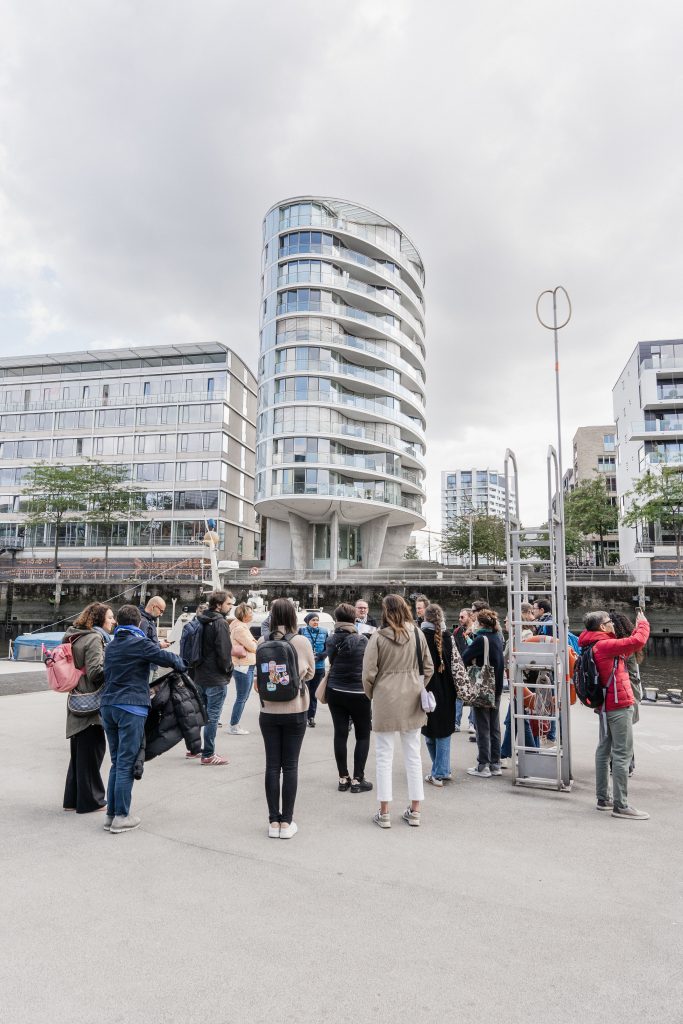
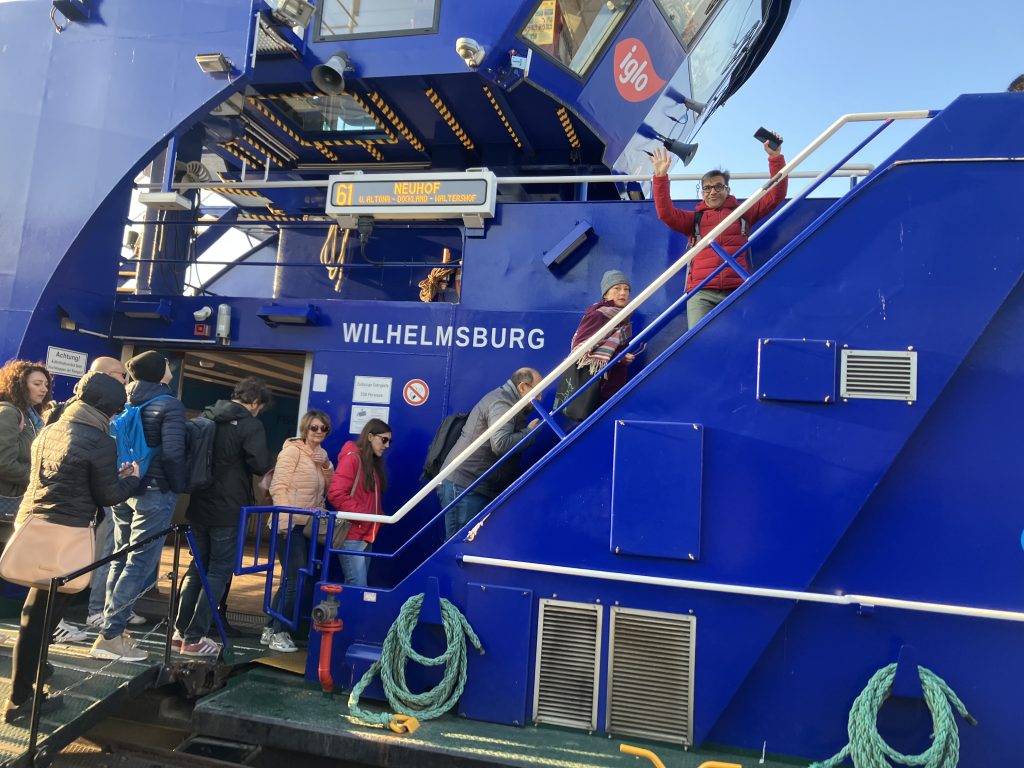
That evening, participants joined a guided walk through harbour-related nightlife and cultural spaces, exploring how port heritage, creative industries, and urban regeneration intersect in contemporary Hamburg. The walk highlighted how these activities contribute to economic diversification and open up new forms of employment, culture, and community life.
Day 2
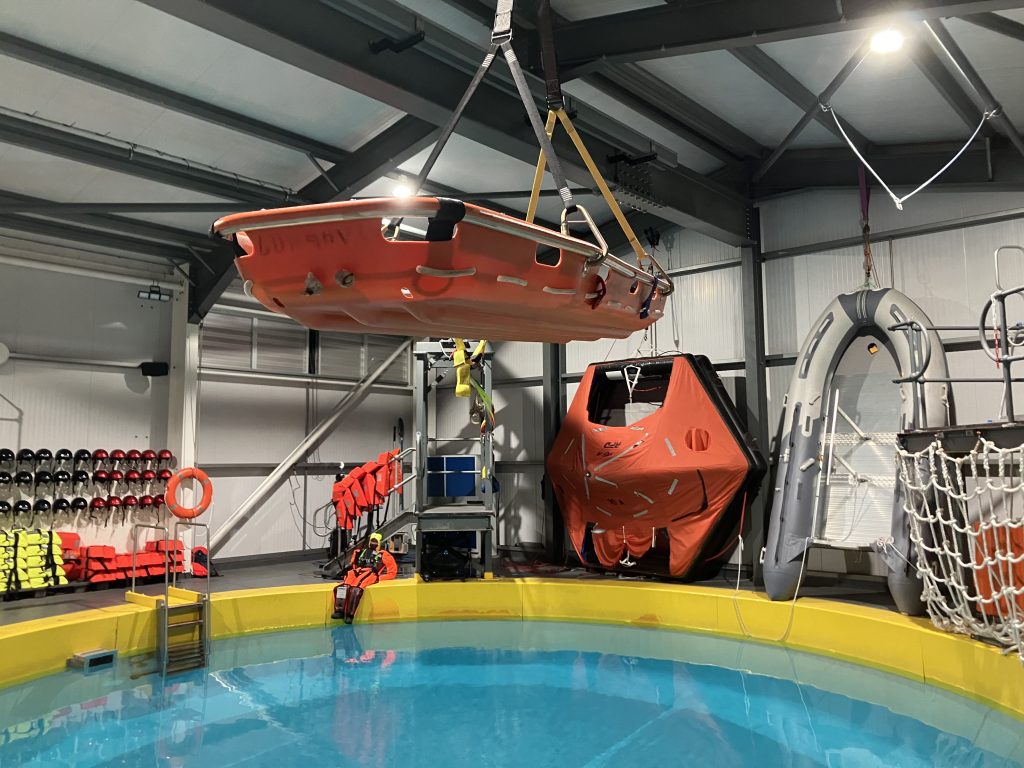
The second day began with a site visit to Ma-Co’s main maritime competence centre. The session covered Ma-Co’s extensive training offer, including port handling and logistics, loading and securing of goods, maritime rescue and offshore training, and firefighting. Training is adapted to different target groups, and certifications are issued for skills required by companies. Examples include the “Skilled Port Worker” qualification, which recognises prior experience and is currently being updated toward a 4.0 version, and tailored training programs for jobseekers. Ma-Co collaborates closely with job centres and employment agencies to identify training needs, and the organisation itself must meet strict certification standards.
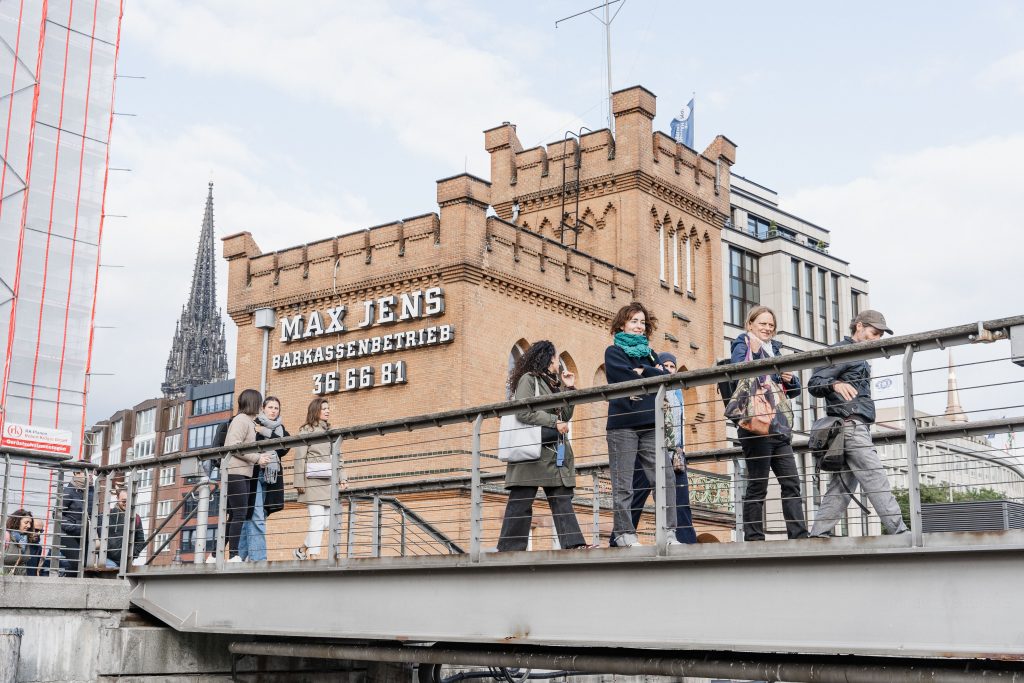
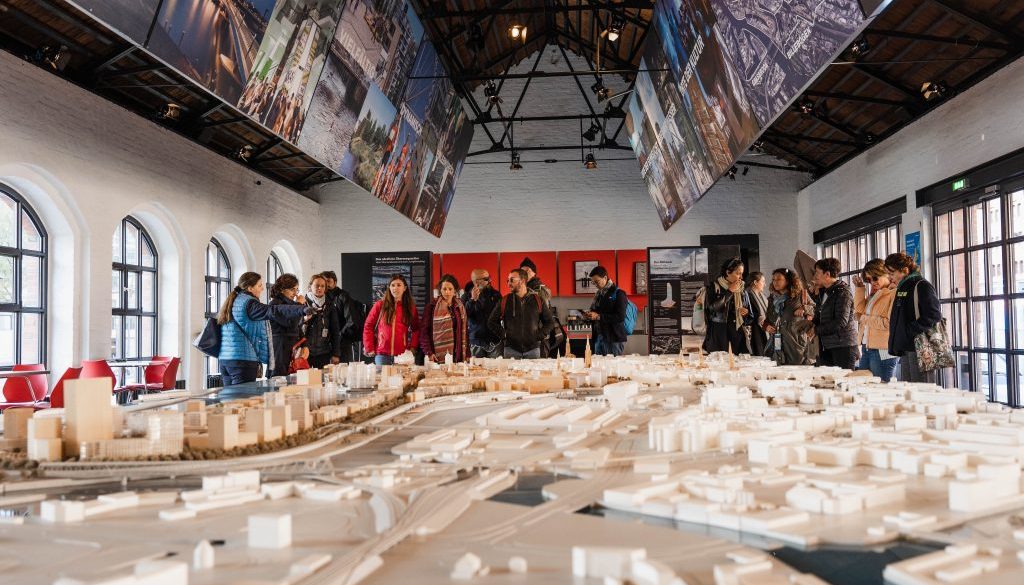
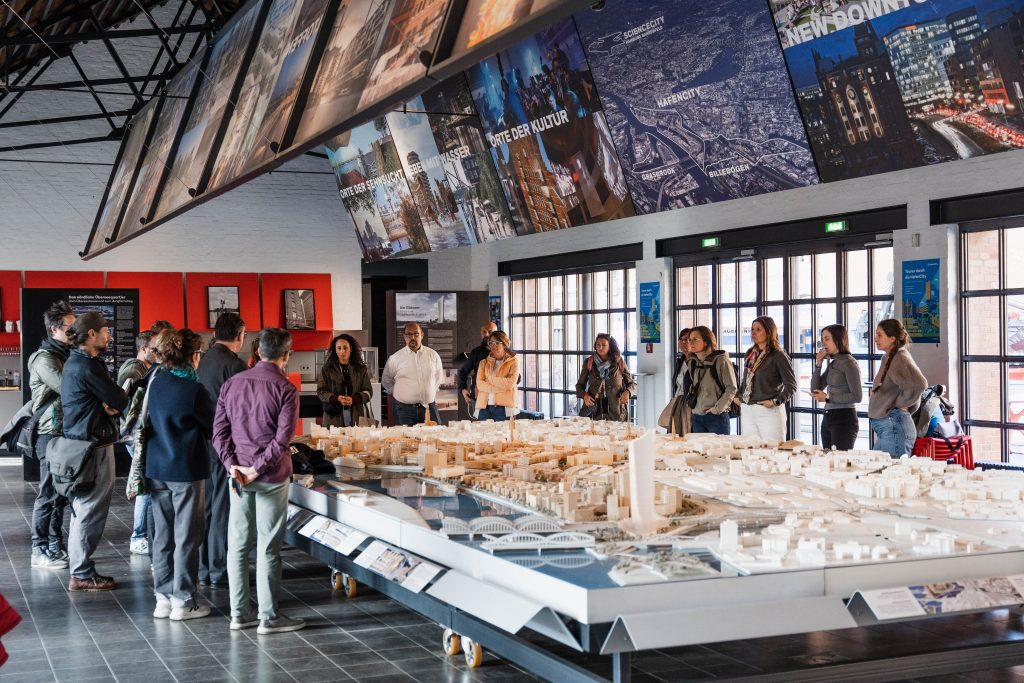
In the afternoon, the group visited HafenCity Hamburg and explored how large areas of former port and industrial land have been transformed into new urban districts. A presentation traced HafenCity’s development from its first master plan to current and future projects, followed by a walk through the district to observe how concepts of ecology, social inclusion, tourism, public space, and heritage shape this major urban redevelopment. The visit highlighted the impact on job profiles and career opportunities as port functions shift and new uses emerge.
The study visit concluded with the transfer to the Flussschifferkirche for the Creative Workshop.