

The PortAbility Future Scenarios Workshop
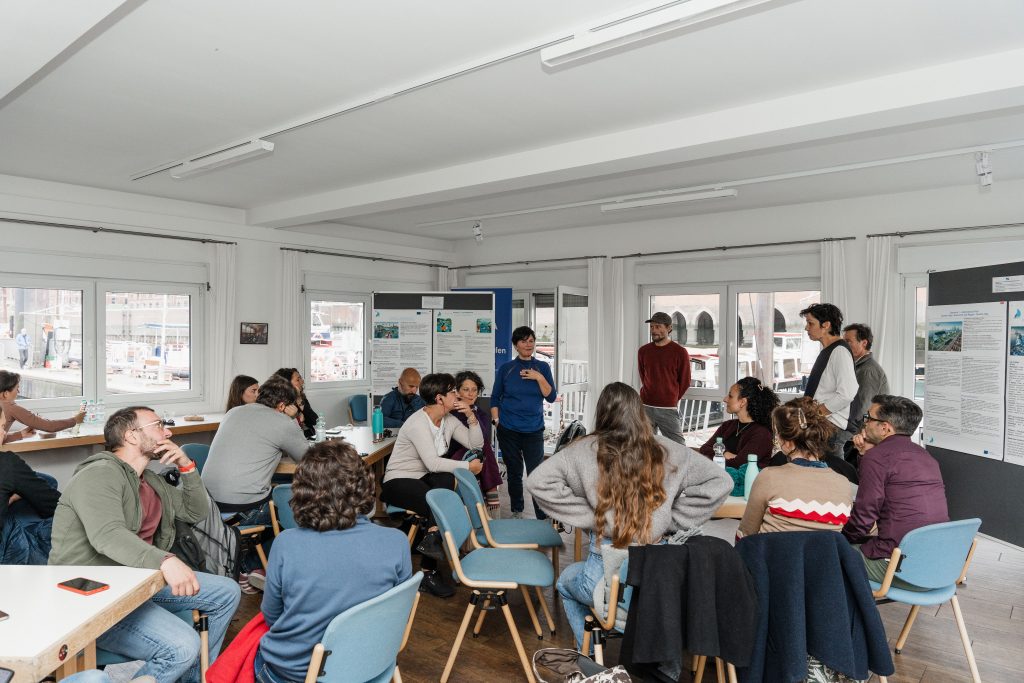
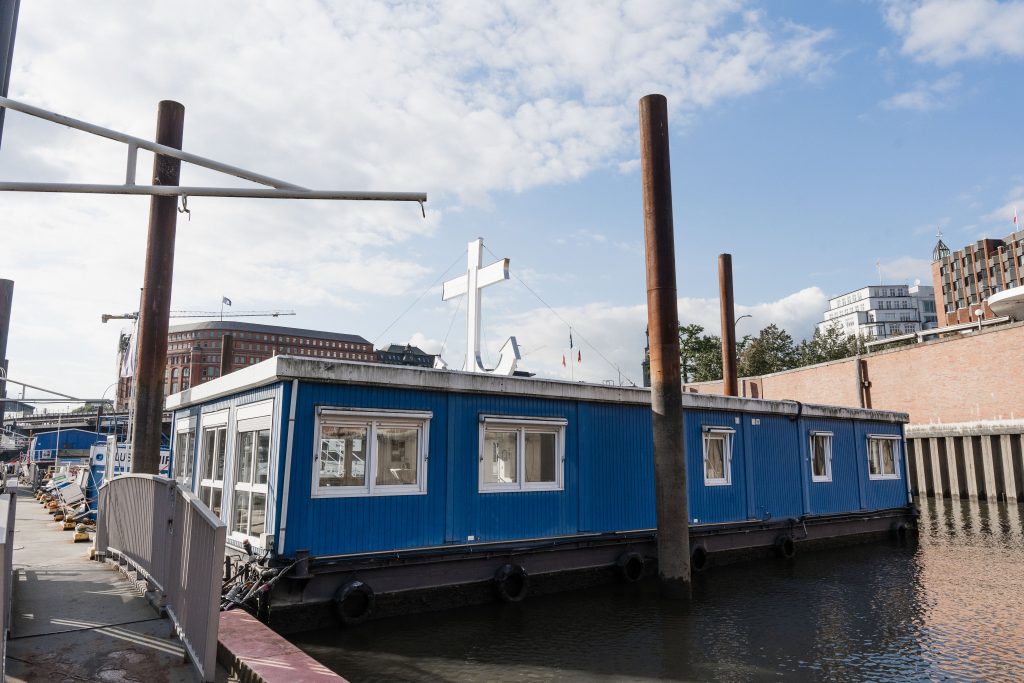
The Creative Workshop in Hamburg took place aboard the Flussschifferkirche, the Floating Church, a unique cultural space deeply connected to the history and social life of Hamburg’s port communities. The workshop began with a welcome by Mark Möller, who introduced the Floating Church as a longstanding initiative offering pastoral care and community outreach to people working on or around the water. Its mission also includes preserving the cultural and social heritage of port communities in a time of continuous urban and economic transformation, making it an ideal setting to reflect on the future of port work and vocational education.
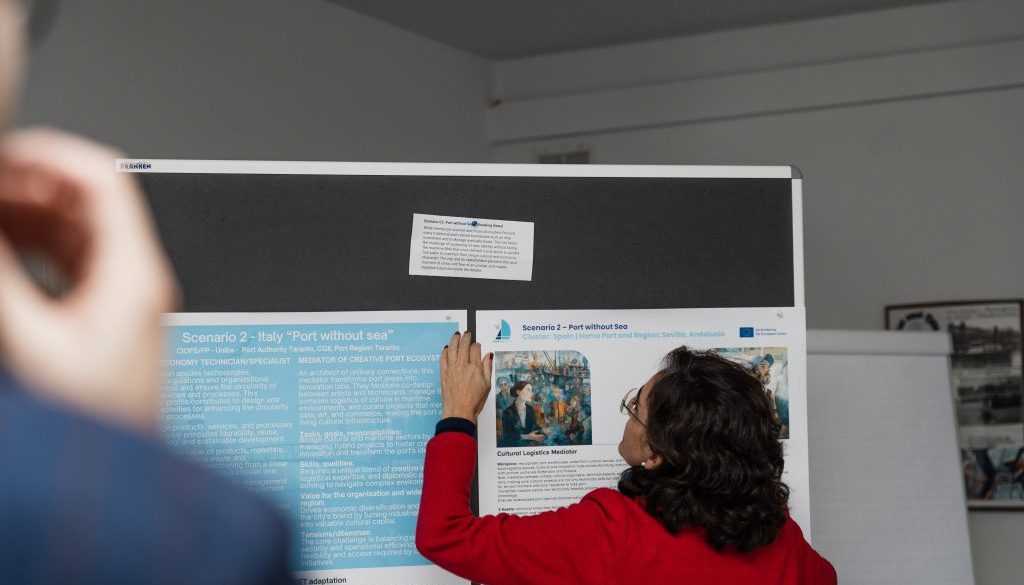
This workshop built on a process that had begun weeks earlier. During an online session early September, participants were introduced to the concept of “Utopian Future Scenarios 2045” and the method they would use during the study visit. In group sessions, partners began developing fictional job profiles and proposing adaptations to vocational education and training systems that could exist in these imagined futures. Between this online meeting and the Hamburg visit, national groups continued refining their ideas. They reviewed the job profiles and VET adaptations with local stakeholders and produced posters for the three utopian scenarios they were assigned.
When participants met again in Hamburg for the final part of the Creative Workshop “Shaping the Future: Peer Review of Future Professions & VET Visions” the focus shifted toward presenting, reviewing, and exchanging feedback on the posters and concepts developed so far. Using methods such as a gallery walk and rounds of peer dialogue, participants explored the fictional job profiles and VET ideas produced by colleagues from different port regions. This setup encouraged comparison, discussion, and collaborative validation, helping partners identify shared challenges and inspiring insights that could guide future action.
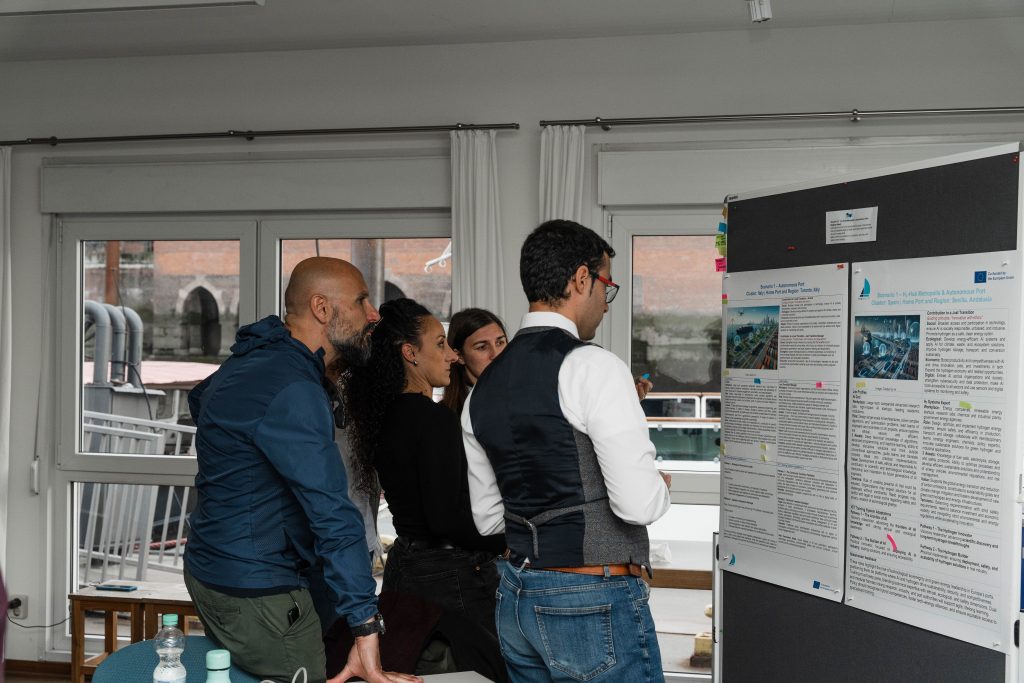
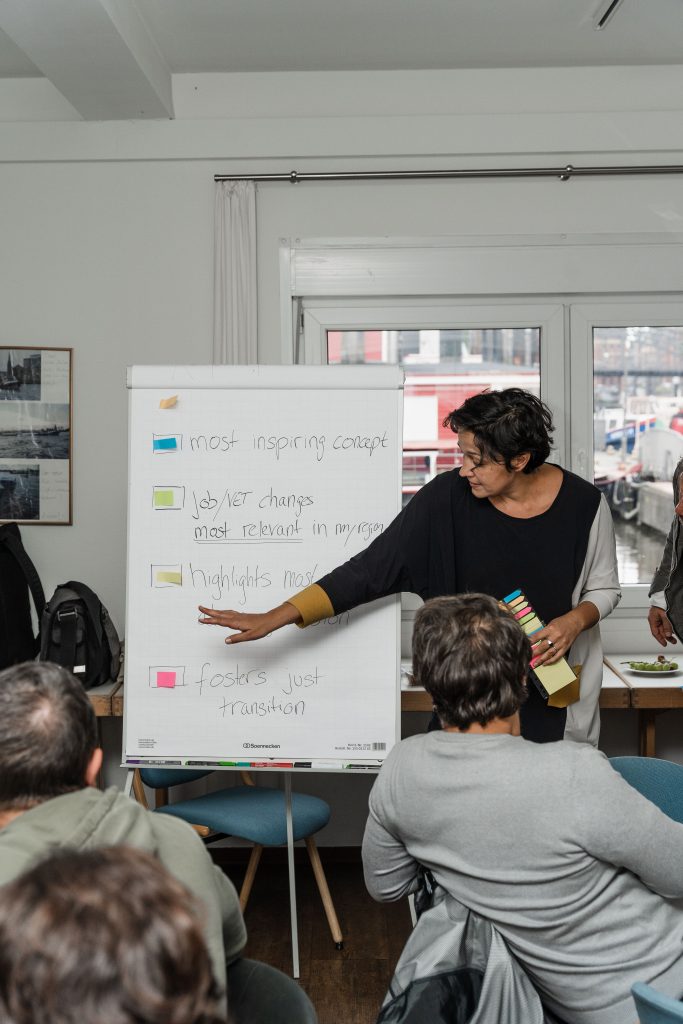
After individually reviewing the posters and identifying priorities or concerns, participants returned to national groups to reflect on which outcomes were most relevant to their local contexts. These discussions helped clarify how the ideas generated through the utopian exercise might inform real-world development in their own port regions. The workshop concluded with a final feedback round, allowing participants to share their impressions of both the creative process and the wider experience of the study visit in Hamburg.
The Creative Workshop offered a space to think beyond immediate constraints and consider what port work, cities, and training systems could look like in 20 years. By building on shared exploration and cross-regional dialogue, the session helped crystallise visions that can support long-term planning, encourage imaginative thinking, and strengthen collaboration across European port regions.